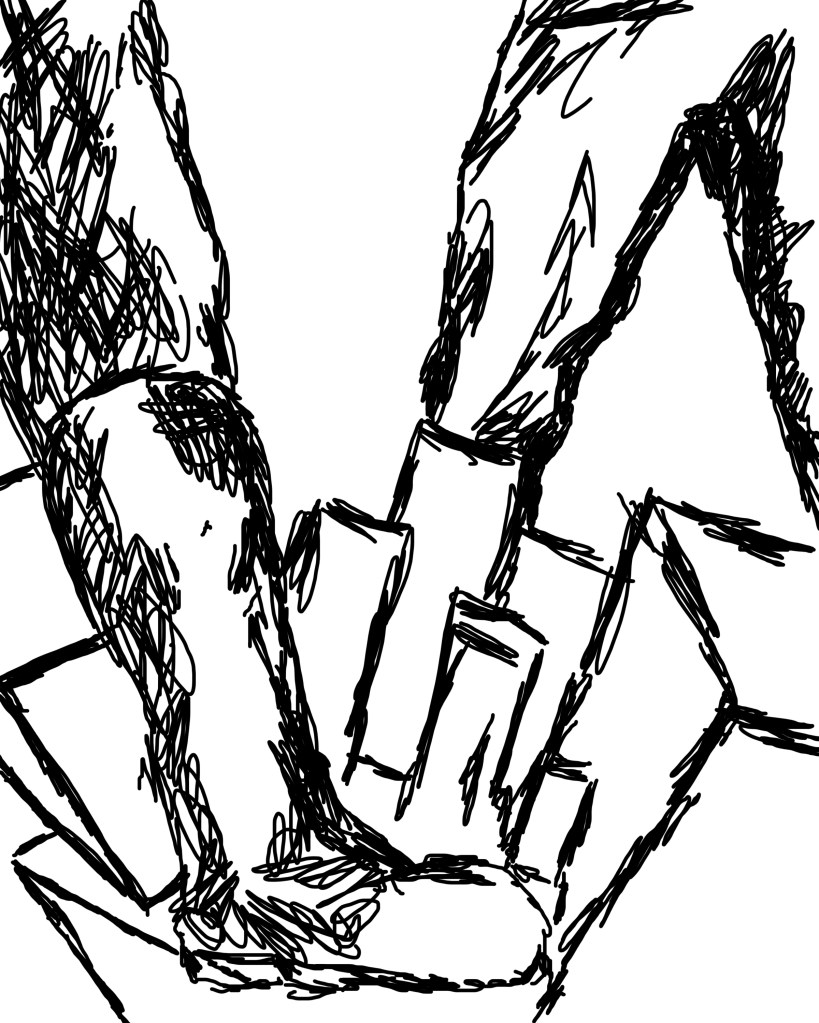
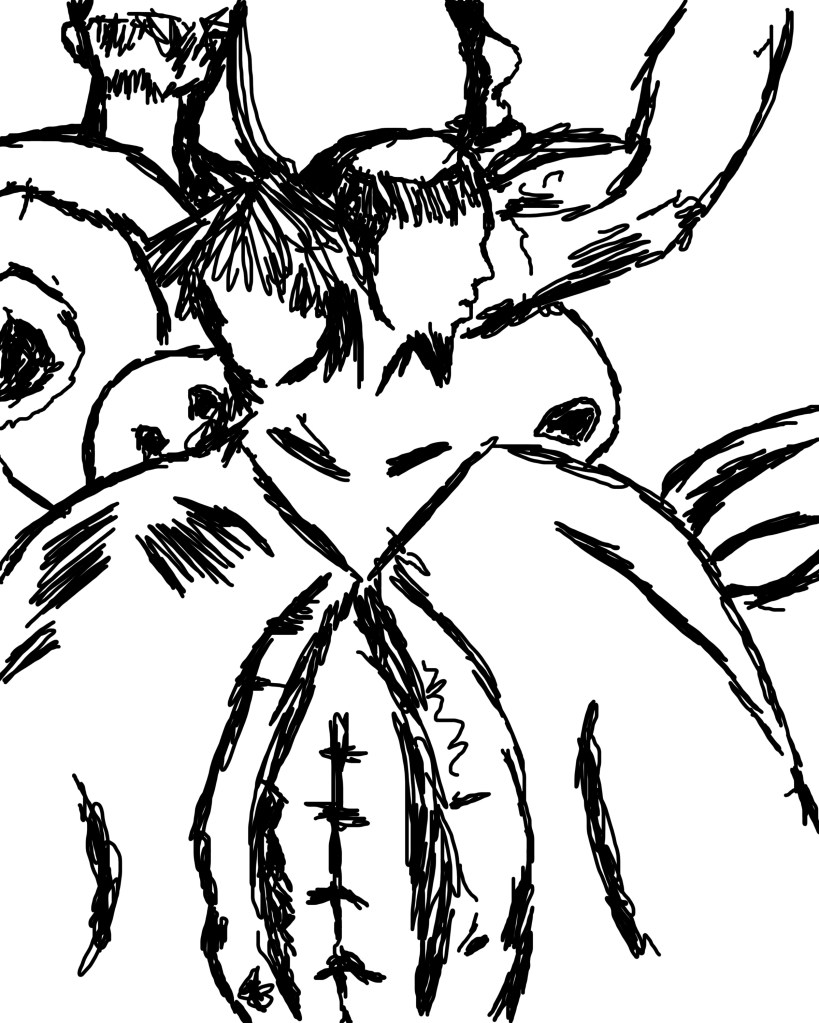

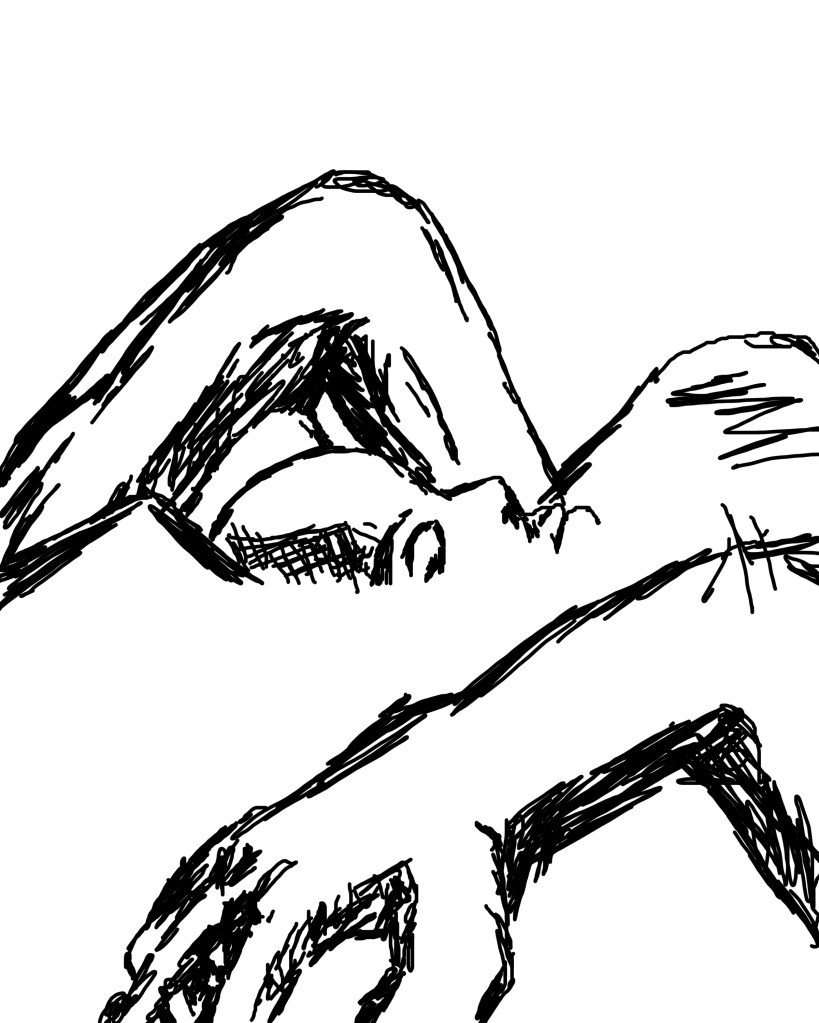
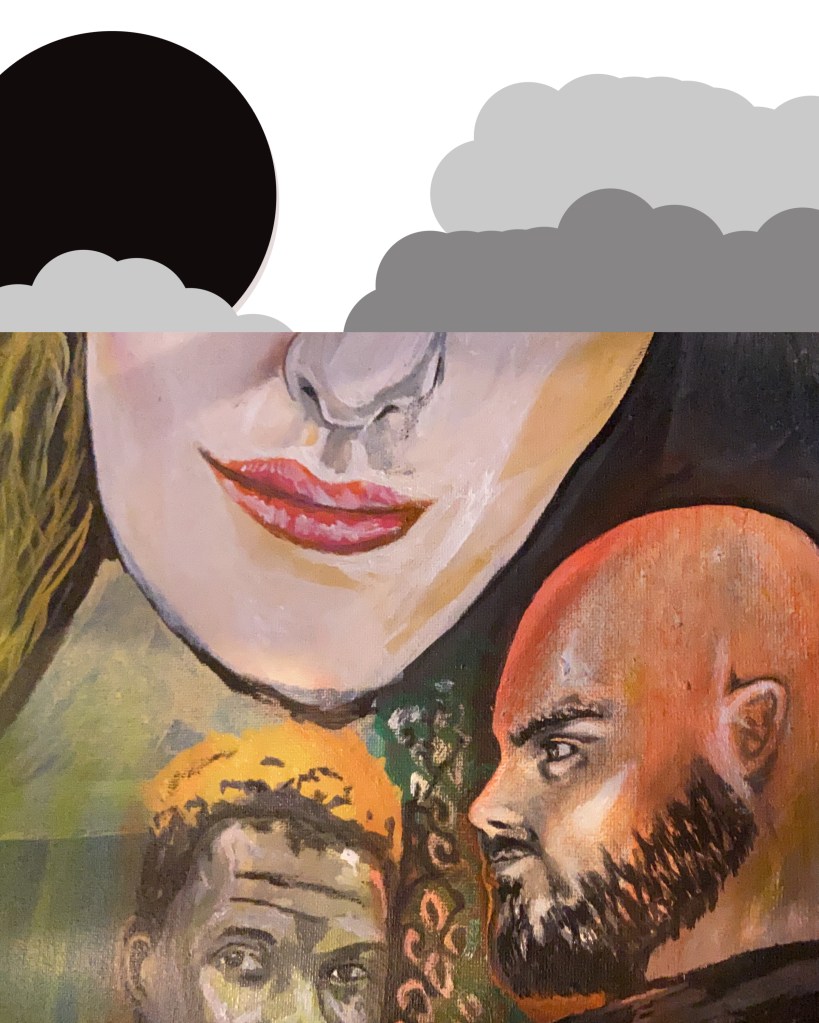
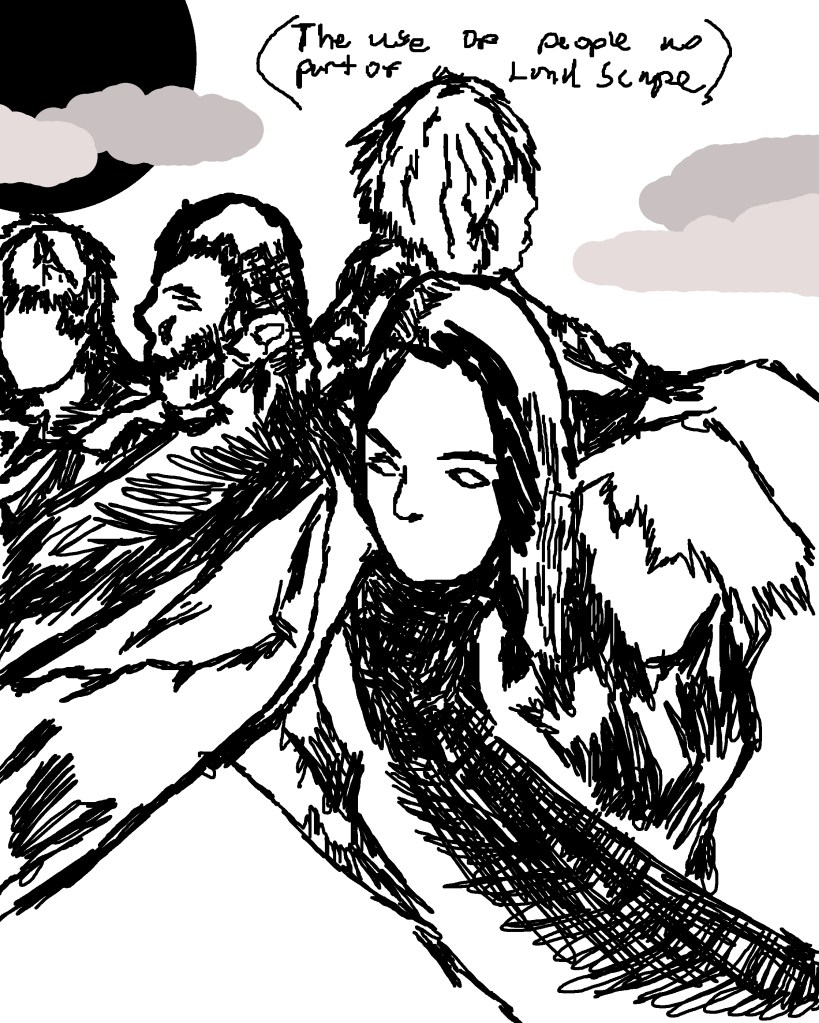
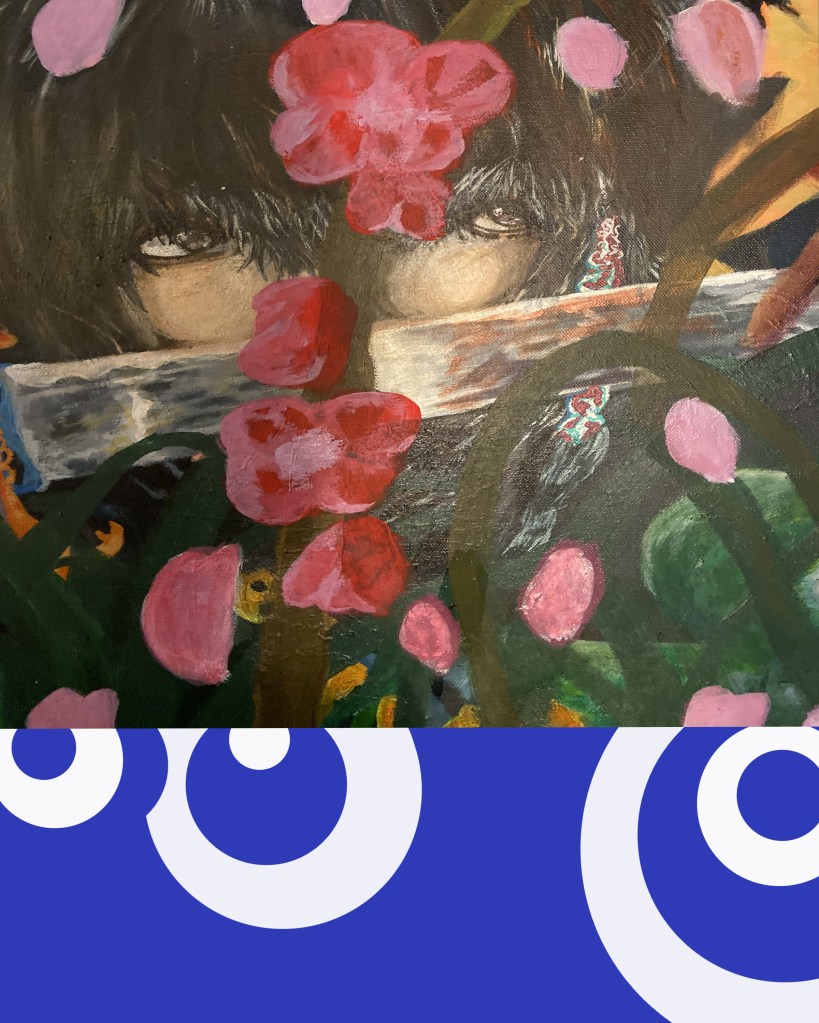
The use of ideas from Picasso’s cubism ideals to separate features for characters face will be incorporated into the final design.
The finished concept will showcase all subjects as part of the world around them with landscape and shadows melding together to create a unique composition both in depth and perspective of the respective plane.
This concept uses a painting of mine with multiple subjects as a part of a landscape. Each drawing depicts the same idea in various ways.
The use of ideas from Picasso’s cubism ideals to separate features for characters face will be incorporated into the final design.
The finished concept will showcase all subjects as part of the world around them with landscape and shadows melding together to create a unique composition both in depth and perspective of the respective plane.
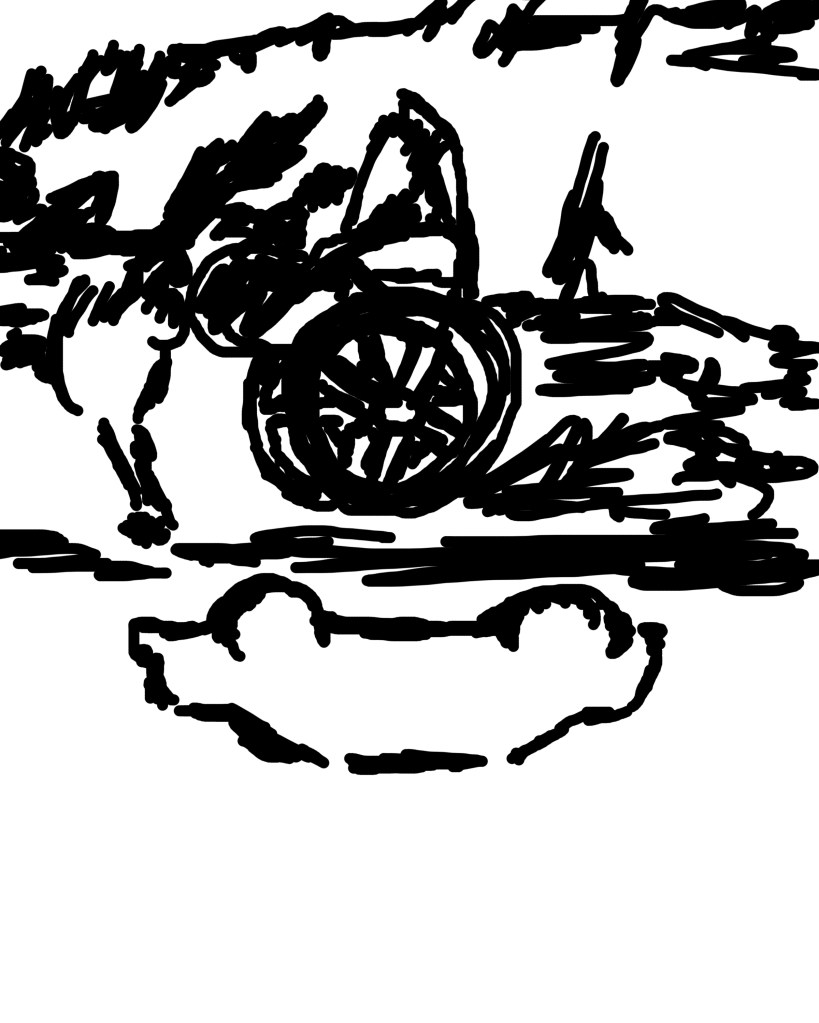

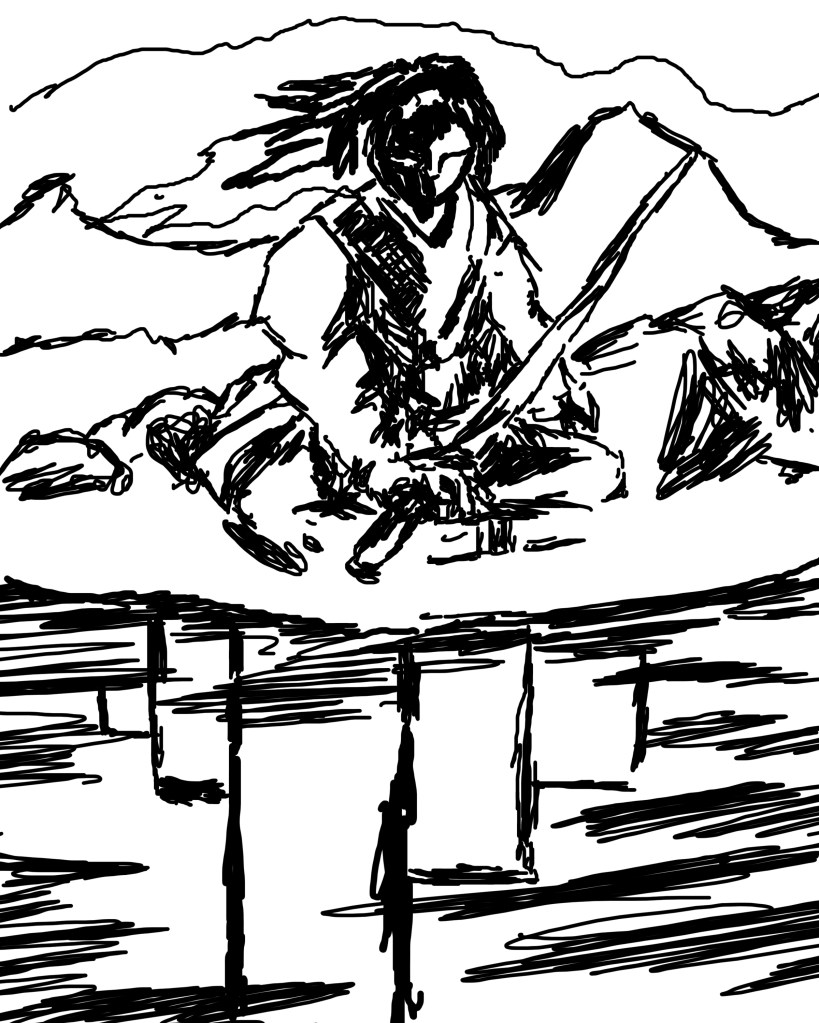
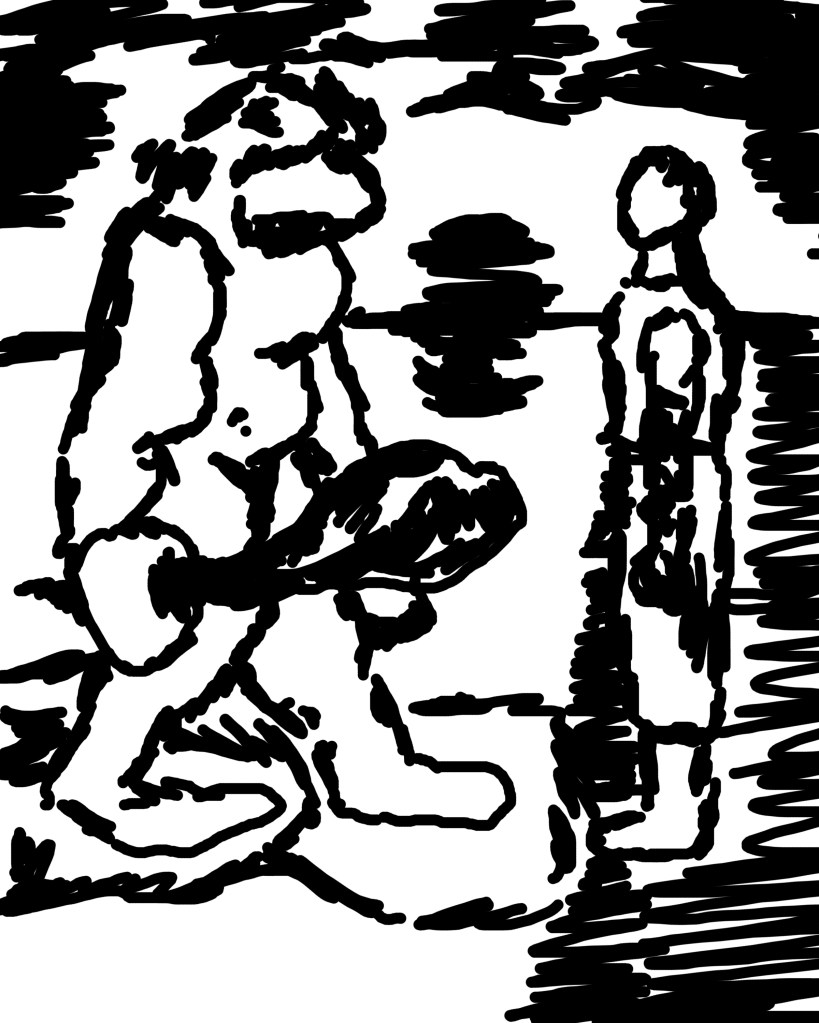
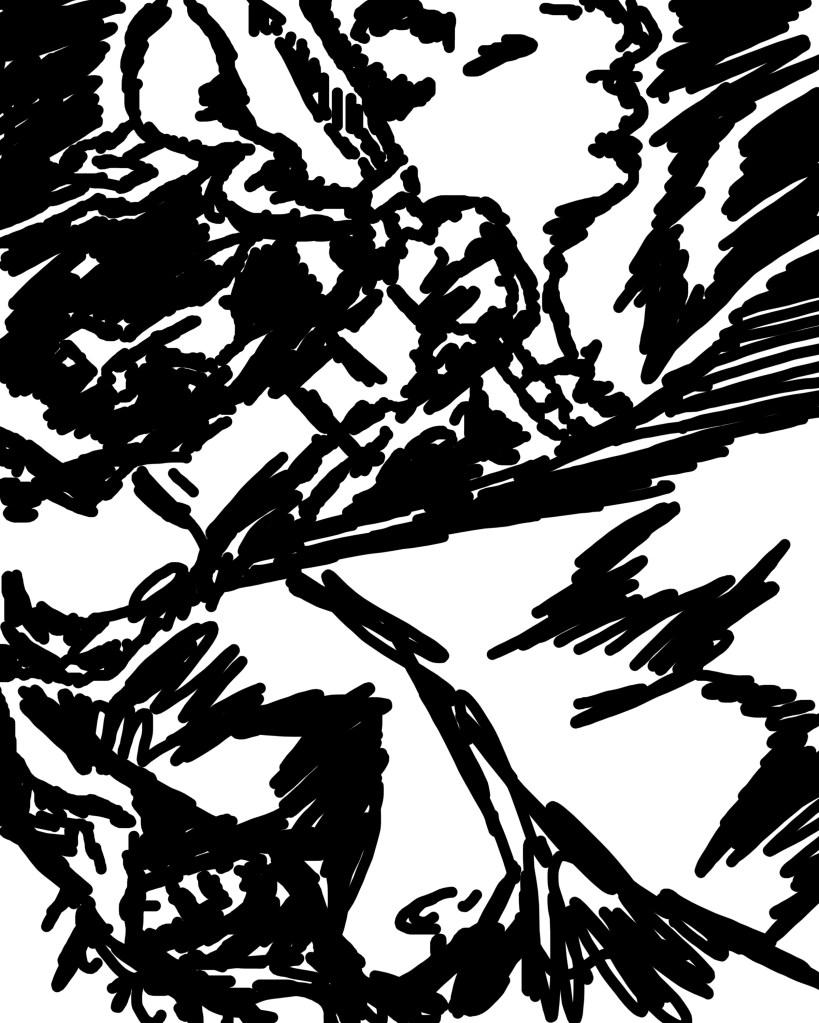
Each image shows an example of reflections of the opposite time period past and present in plain sight.
This is meant to show the old and new in retrospect or even for comparison to see what is lost or gained. In one image the reflection shows nothing to represent emptiness without human presence.
This concept uses the passage of time to express an idea of change around us in the world.
Each image shows an example of reflections of the opposite time period past and present in plain sight.
This is meant to show the old and new in retrospect or even for comparison to see what is lost or gained. In one image the reflection shows nothing to represent emptiness without human presence.
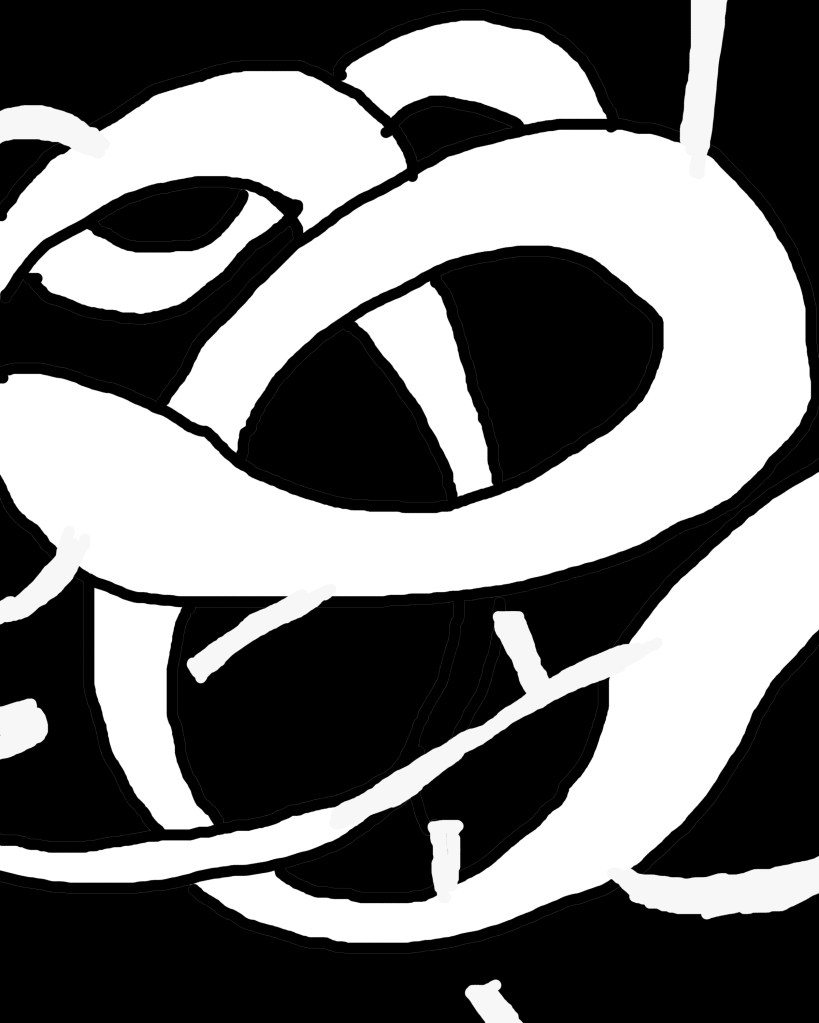
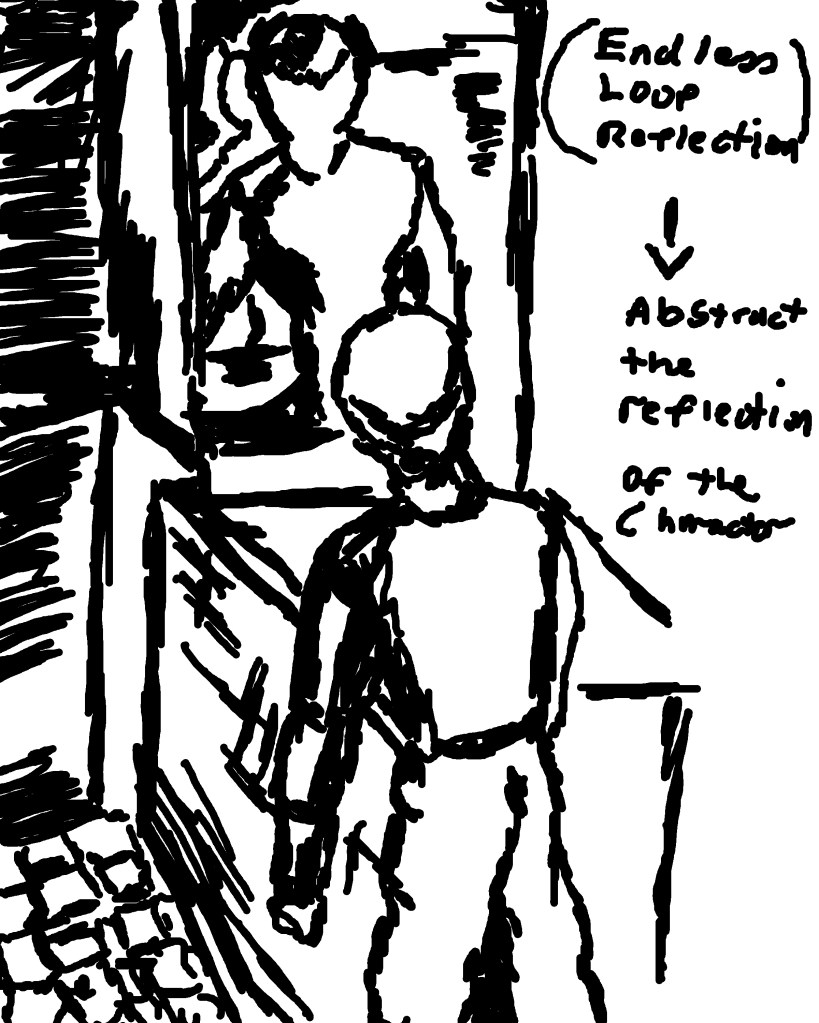
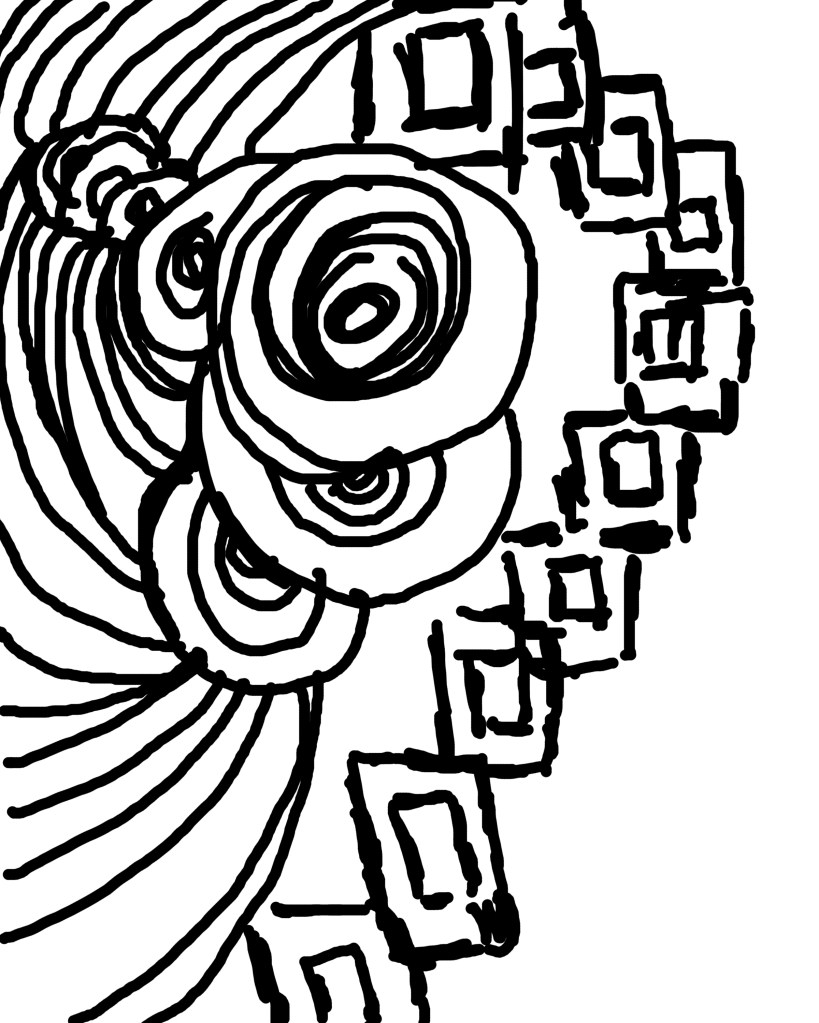
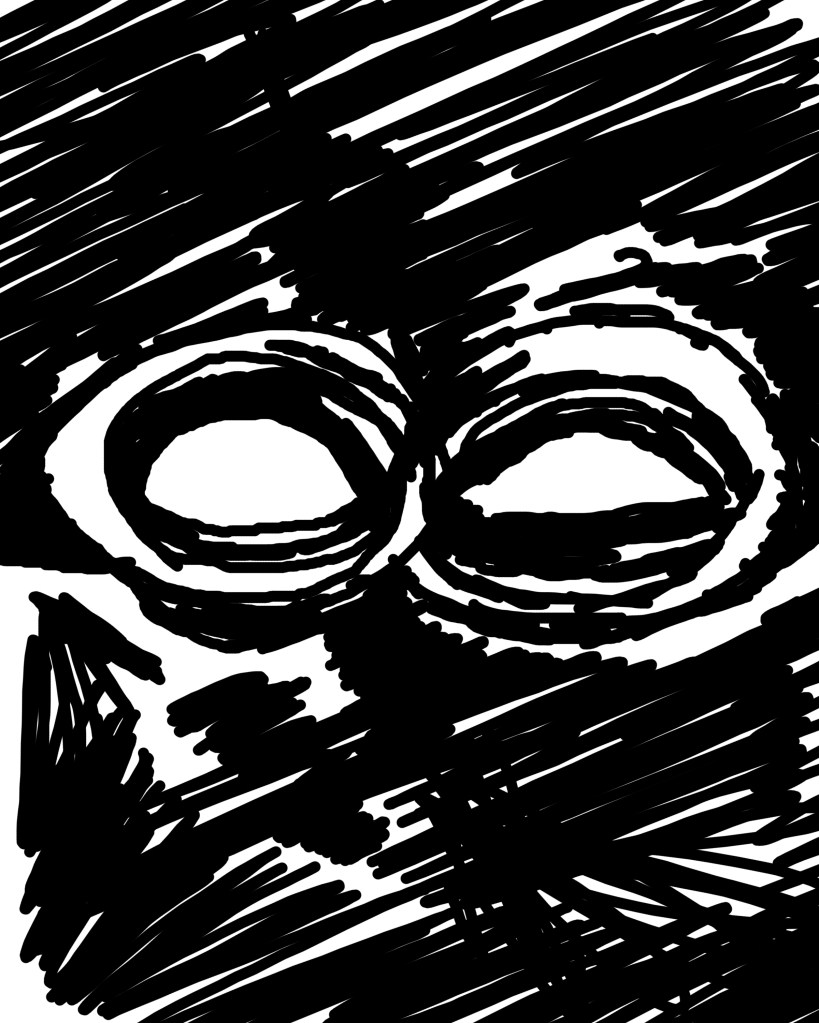
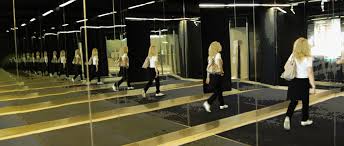

Inspired by Picasso’s versions of Cubism. I used the symbol of infinity along with an image of reflection to convey endlessness or vast expansion infinity. The concept in each shows something that never ends each in a unique way. The person in the mirror seemingly endlessly reflected back to back is the idea I would feel conveys this idea.
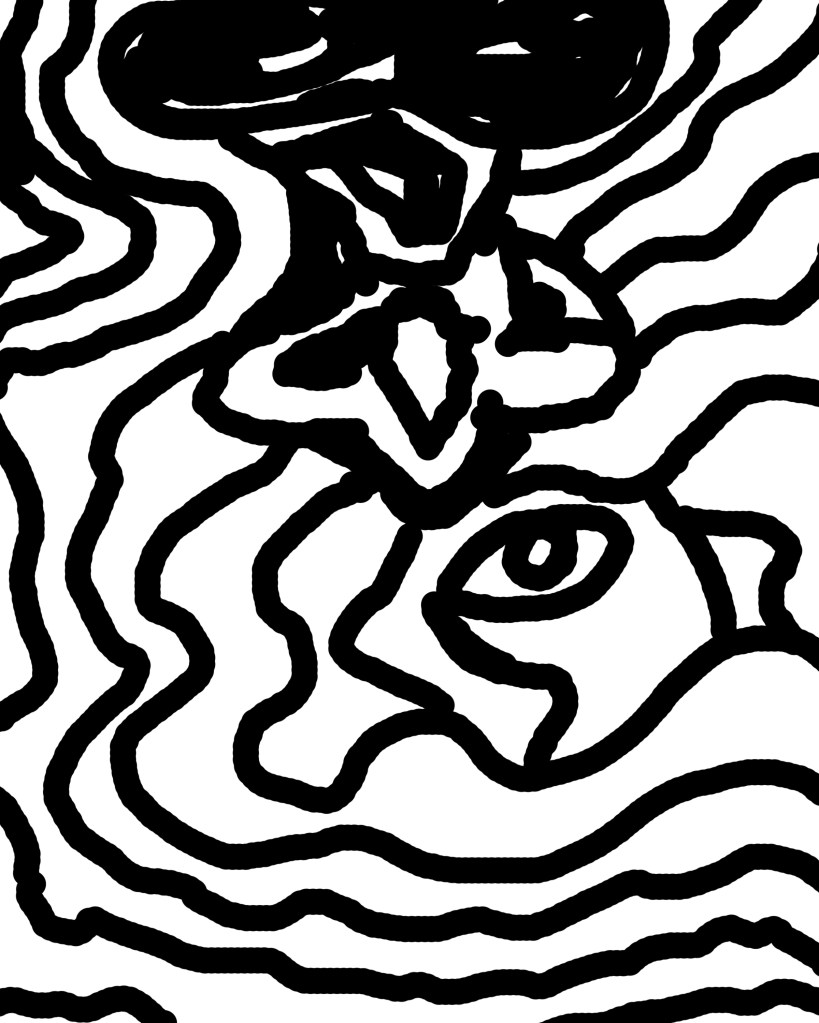
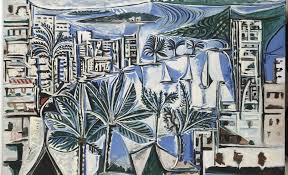
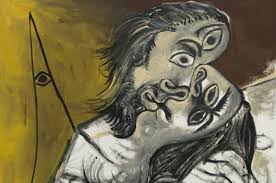
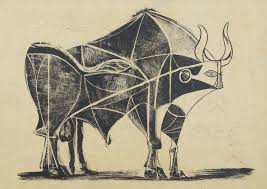
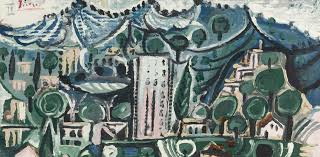
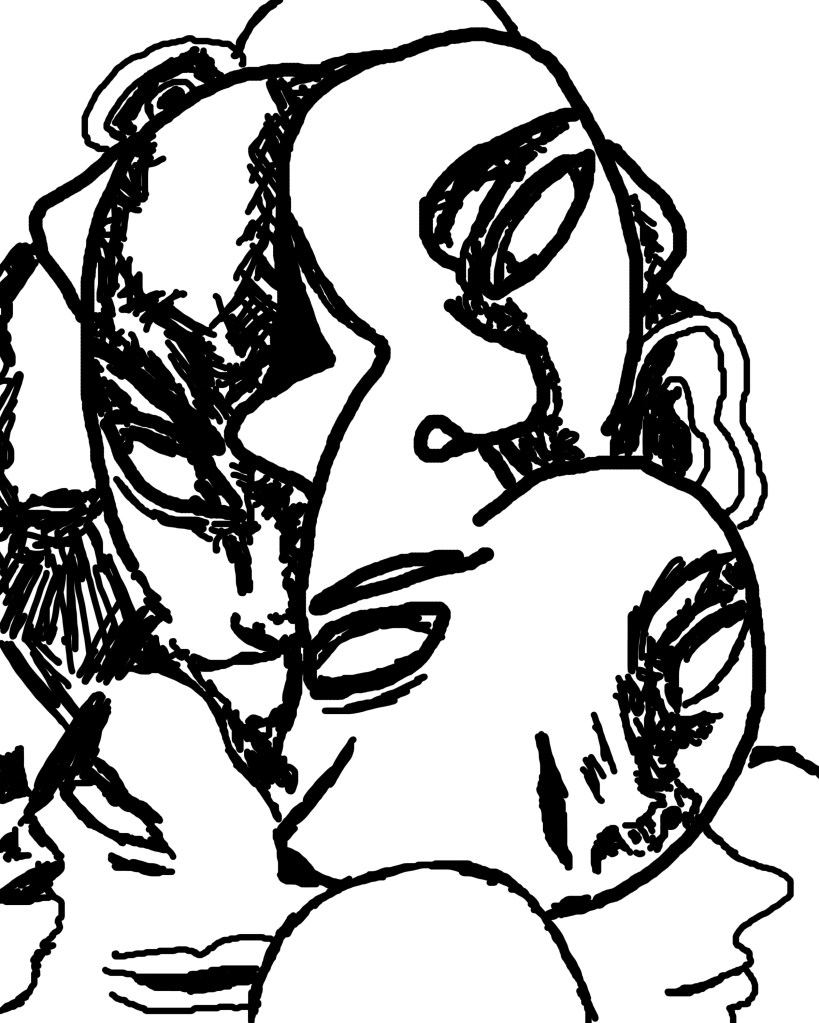
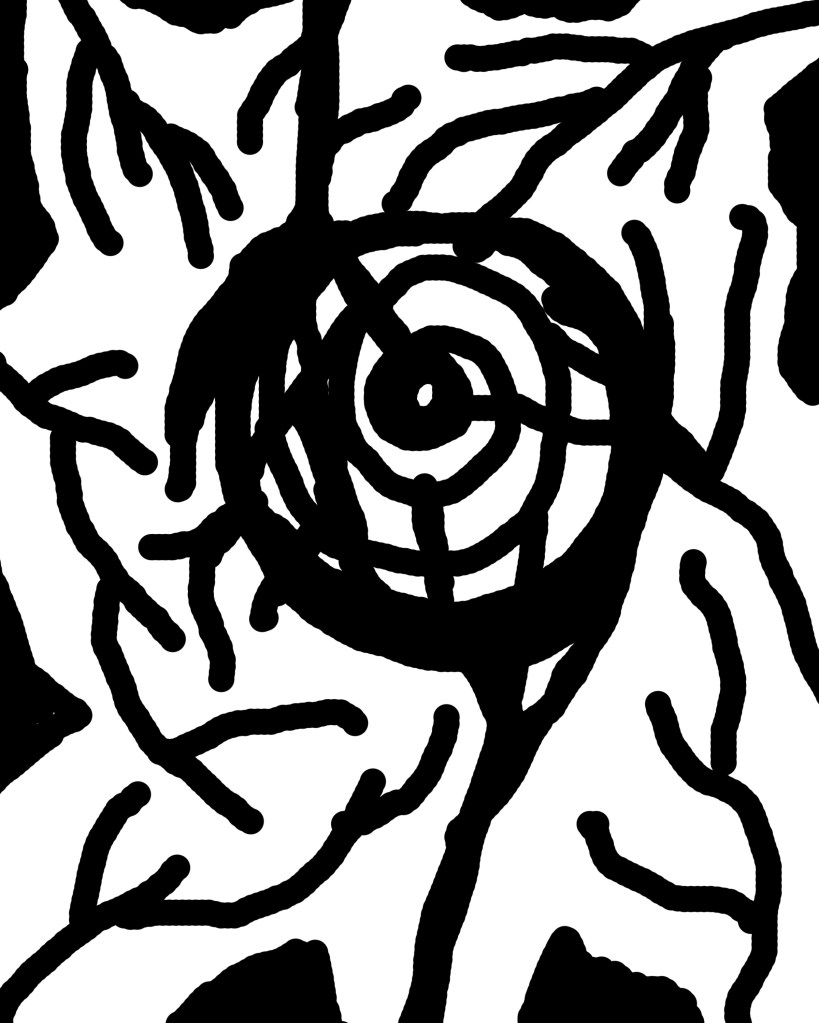
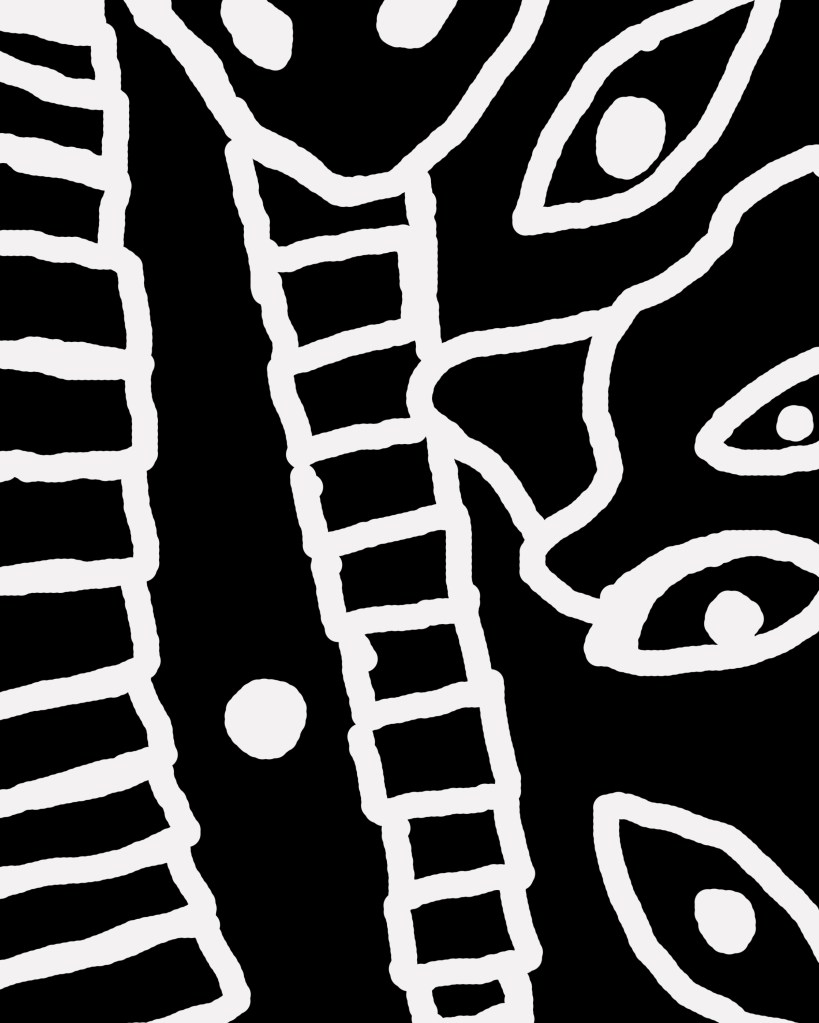

Also inspired by Picasso’s work, this has variations of self portraits using abstraction of landscape or people in fashion models. I would use abstraction to break or separate shapes and forms to give perspective. The melding and meshing of character eyes noes and other body parts to create composition.
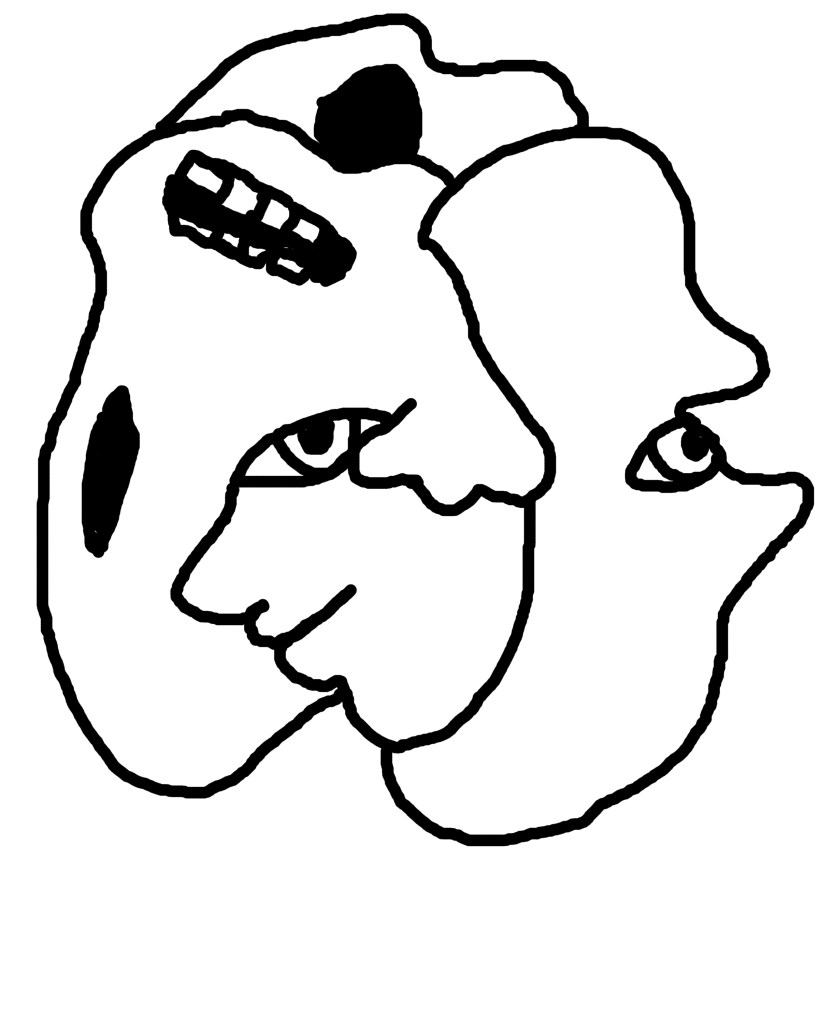
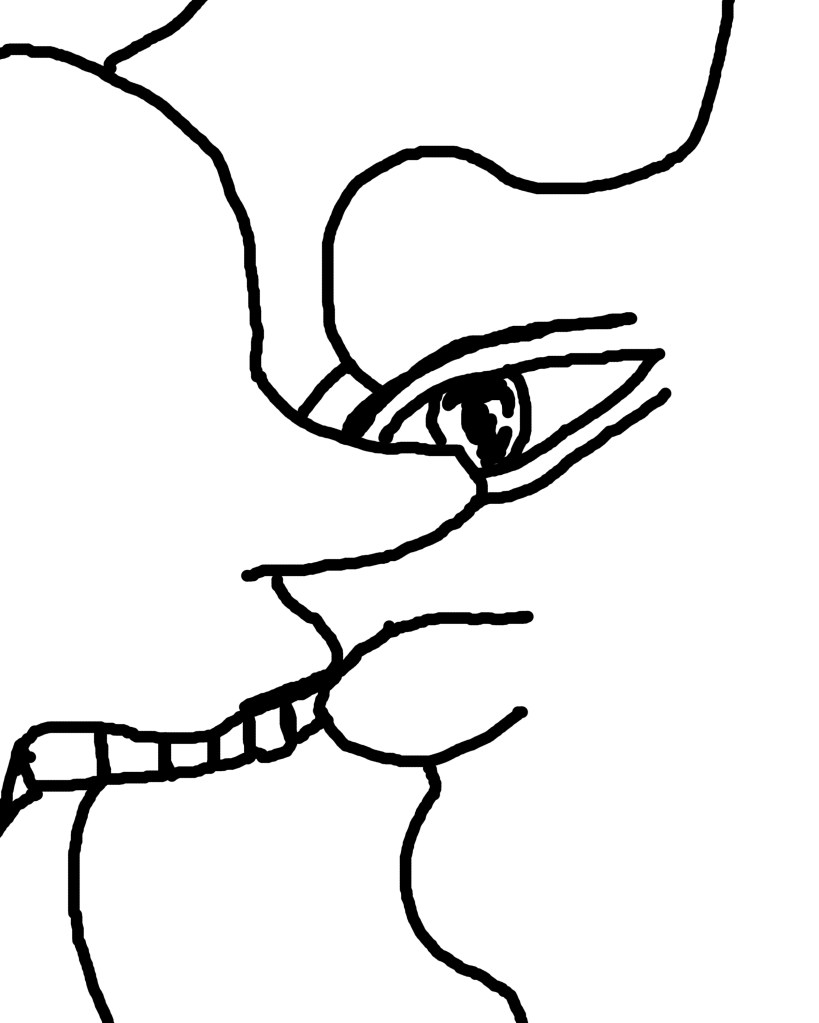

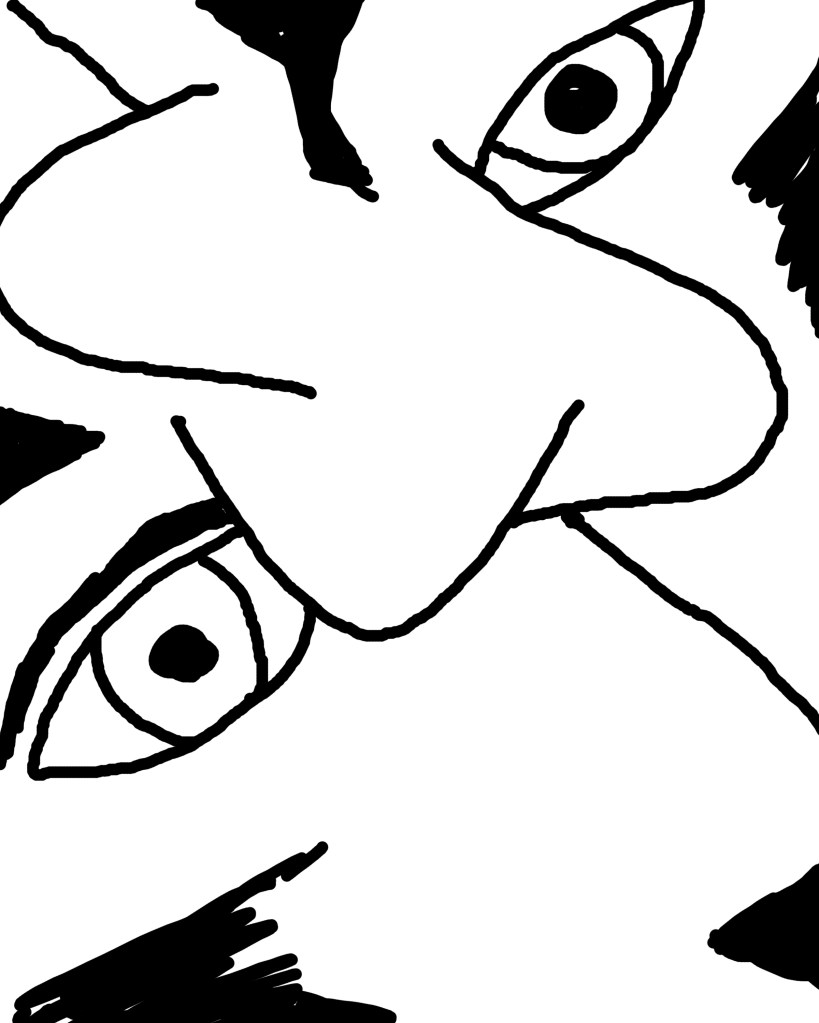
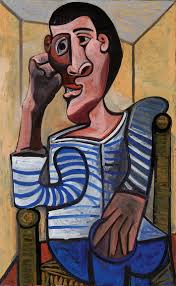
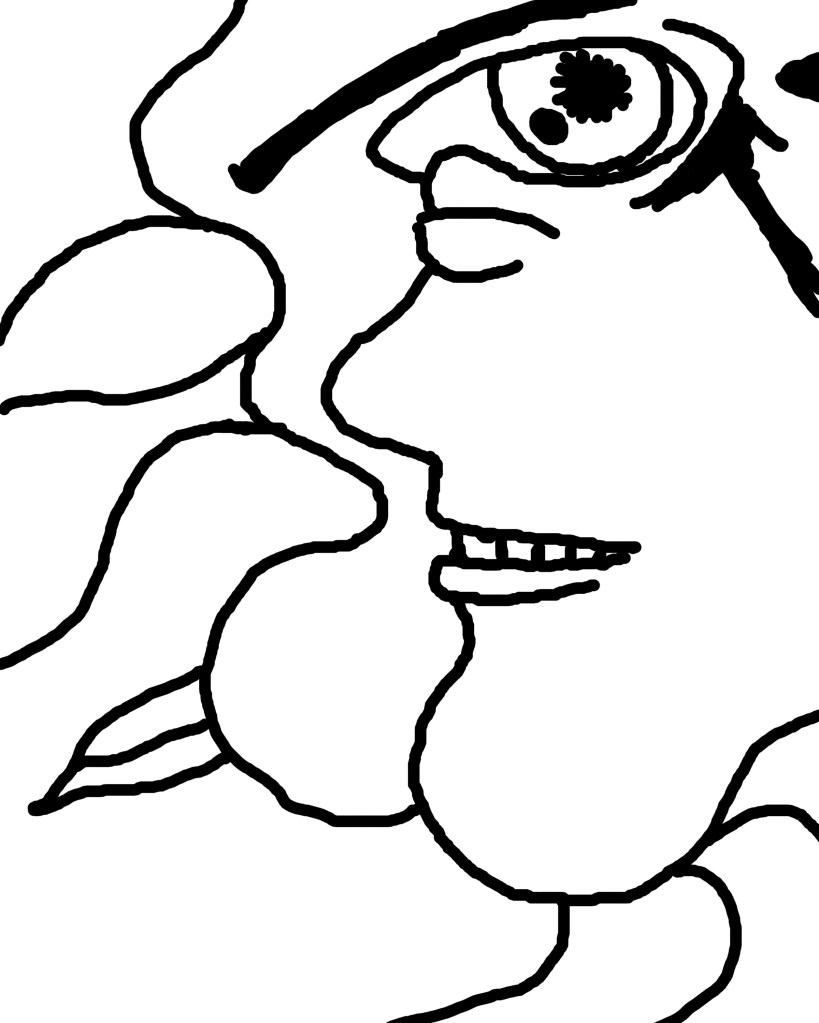
Further uses of techniques from Picasso self portraits of people abstract cubism. The use of faces in each to show different forms.
Case Study
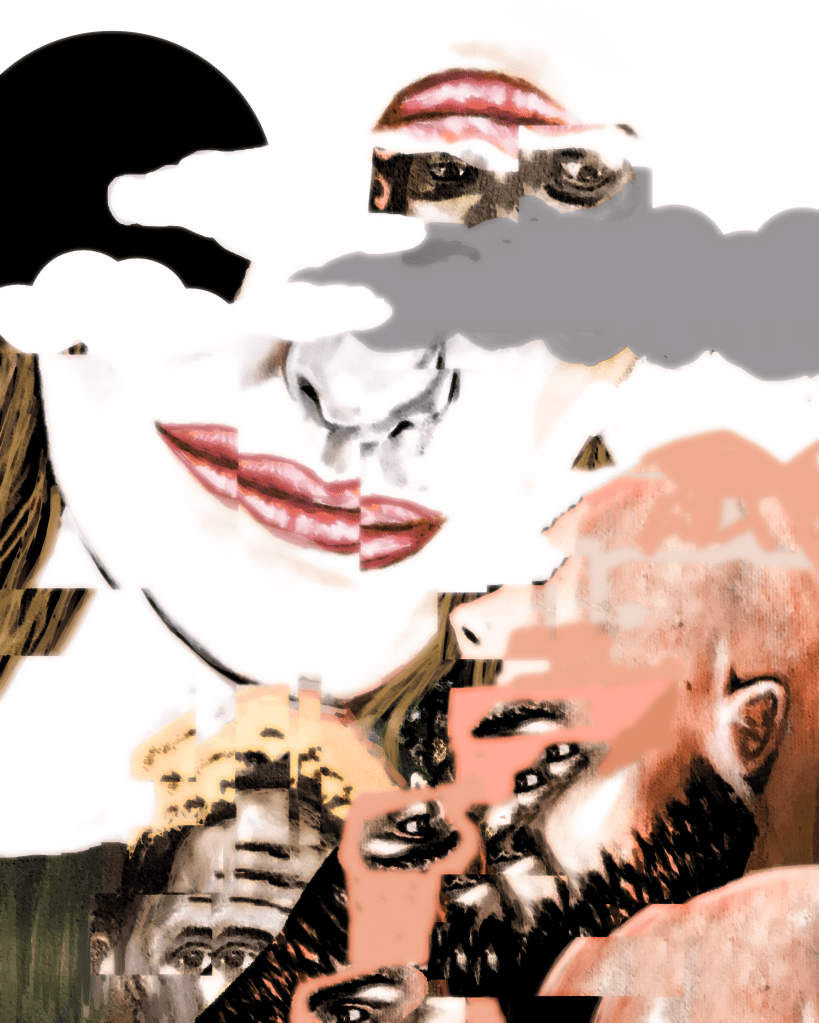
What is cubism?
Cubism is said to have been an early 20th century style of painting that began around 1907. This form of art emphasized flat two dimensional surface of a picture plane it did not follow the previous rules of perspective and depiction of reality previously used. In this depiction of reality the subjects in the images were fragmented.
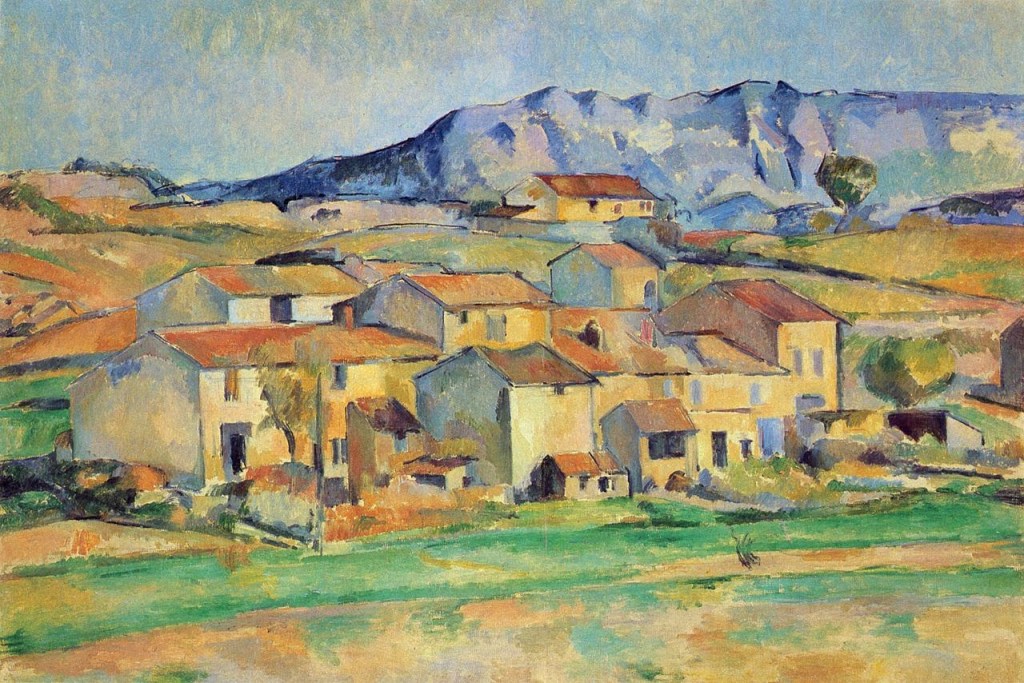

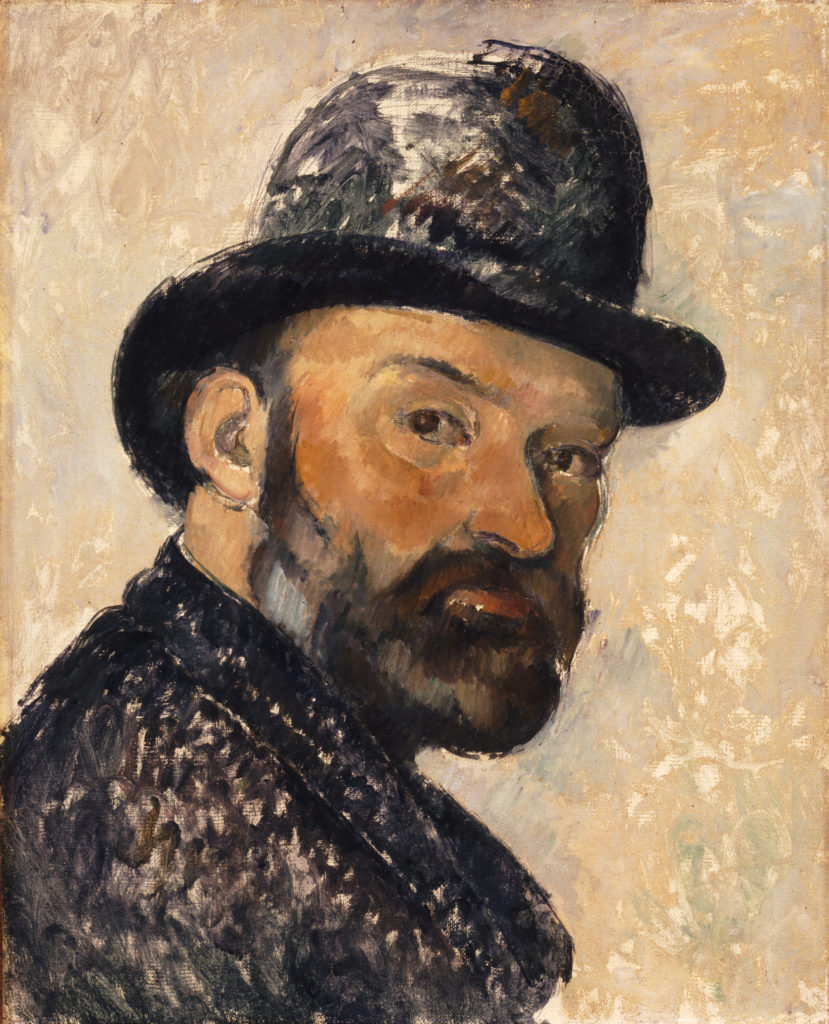
Further study and research of cubism showed that one particular artist pioneered the movement for cubism. This mans name was Pablo Picasso, also with the likes of George Braque, Jean Met-zinger and many others to push the concept to new heights. In my research the main influence for cubism was Paul Cezanne and his perception of three dimensional form.
Though I looked to many other artist in the field of cubism, I found Picasso’s work to be more straight forward to the cubist abstraction so i use his work as inspiration in order to break my painting down from it realistic proportions into a more block like structure as if it were landscapes or structures man made.
The end result for my cubist painting is that of a landscape using human face and incorporating some ideas of Picasso paintings to accomplish it.
 South9